HBSC Spring network meeting bringed HBSC members together from 28th to 30th May 2024 in Glasgow, Scotland. Jaroslava Kopcakova and Michaela Kosticova from Slovak national as well as international HBSC team attended meeting in person.
This meeting covered a variety of topics, including reflections and results from our latest survey and partial reports, plans for publications and importantly, preparations for our 2025/26 HBSC protocol.
Our colleague Aurel Zelko attended the 61st European Renal Association Congress that took place in Stockholm from 23rd to 26th May, 2024. The congress was thematically focused on the main theme of „Rethinking kidney health, transforming kidney care“. The scientific programme was divided into seven main tracks: Physiology, Cell Biology & Genetic Diseases; Glomerular & Tubulo-interstitial Diseases; Chronic Kidney Disease; Dialysis; Kidney Transplantation; Hypertension & Diabetes and AKI & Critical Care Nephrology.
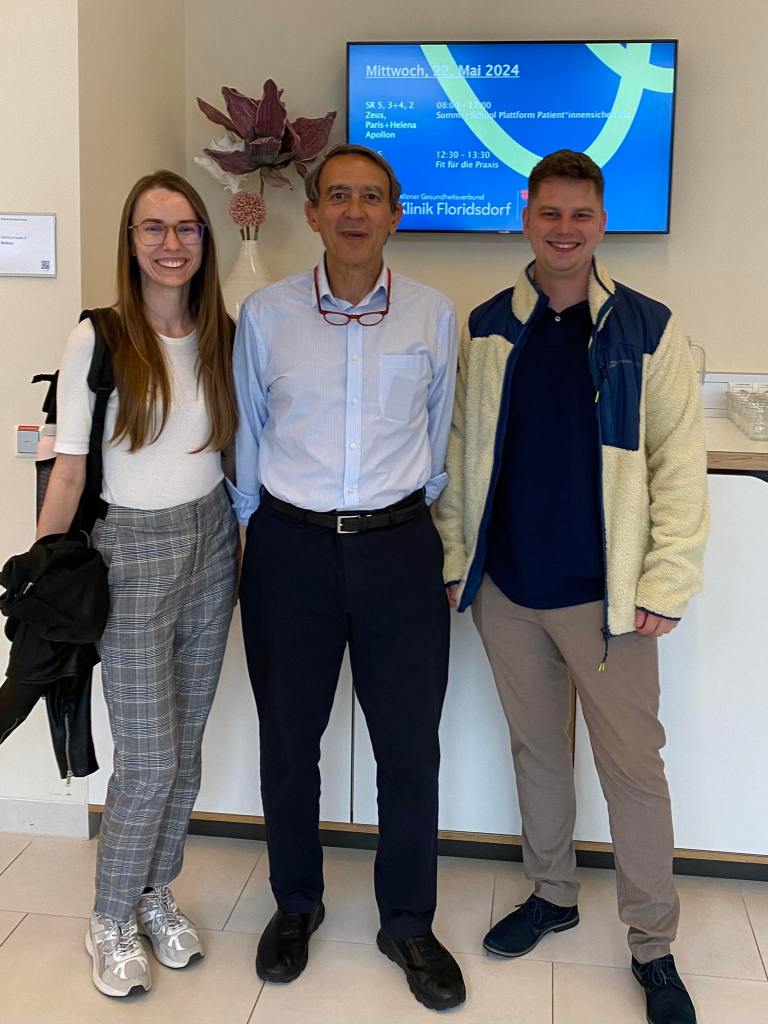
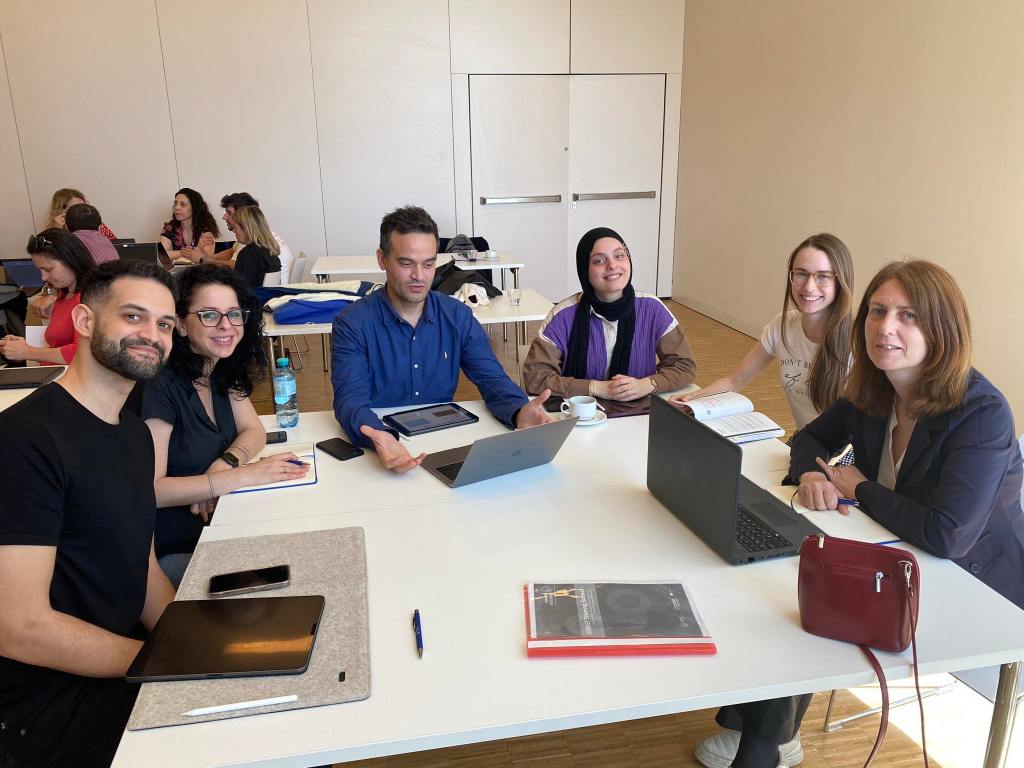
The Training School took place in the Convention Center of Klinik Floridsdorf (Vienna – Austria) between 22nd to 24th May, 2024. This was an intensive training on the second victim phenomenon and second victim support programmes, and is specifically intended for healthcare workers, researchers and post graduated students of Health Sciences. More than 40 participants from 17 countries participated, three of them from three regions of Slovakia (Bratislava, Martin, Košice). Beside the training, we have an opportunity to visit centre of university simulation centre located on this site and learned about it culd be used from medical competencies training. Our colleague, prof. Madarasova Geckova served as a lecturer of this training already for the second time.
Second victims are healthcare providers involved in an unexpected adverse event, medical error or injury affecting a patient, who become victims in the sense they are traumatised by it.
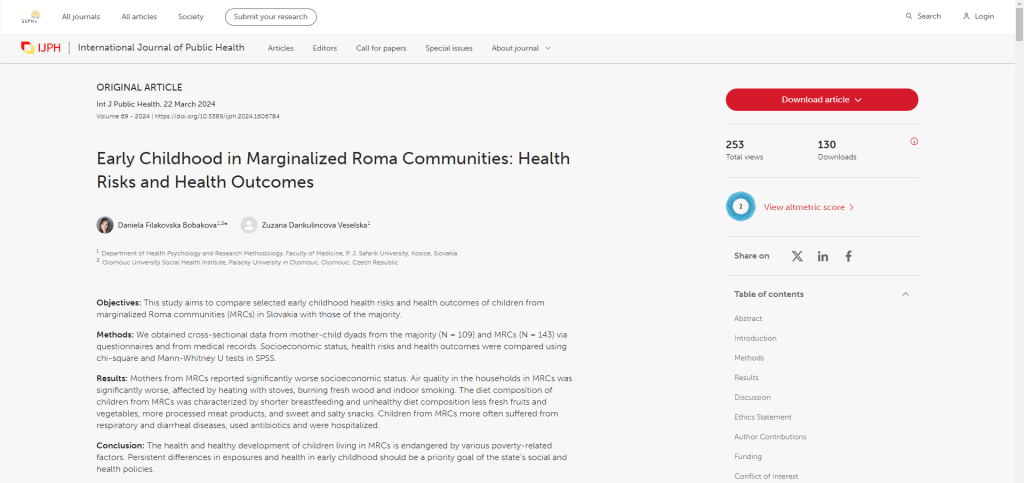
Our new article “Early Childhood in Marginalized Roma Communities: Health Risks and Health Outcomes was published in International Journal of Public Health.
Article was prepared as a part of RomaReach study with aim to compare selected early childhood health risks and health outcomes of children from marginalized Roma communities (MRCs) in Slovakia with those of the majority.
Poverty and unhealthy living conditions of children from MRCs included in our study are fundamentally worse compared to children from the majority. The health and healthy development of children living in overcrowded households without running water is threatened by many factors such as poor sanitary conditions, quality of air or food insecurity. Parents experiencing financial hardship struggle to provide their children with clothing and regular food intake of adequate quality. Children experience various health complaints, use antibiotics more often and are hospitalized more often than children from the majority. Ensuring equal chances for health and healthy development for children from MRCs will require a concentrated effort, therefore these persistent differences in exposures and health in early childhood should be a priority goal of the state’s social and health policies.
Our colleagues Andrea Madarasova Geckova and Jaroslava Kopcakova attended recent IJPH editors and guest editors meeting. This meeting that took place online on 10th April, 2024.
We discussed two specific issues during the meeting: 1) the quality of the peer review process and how we might improve it; 2) how to reduce manuscripts delays.
In addition, we discussed that the International Journal of Public Health (IJPH, 2022 Impact Factor: 4.6) and Public Health Reviews (PHR, 2022 Impact Factor: 5.5) continue to offer APC fee waivers for first authors from low- and middle- income countries, plus additional countries with limited access to APC funding.
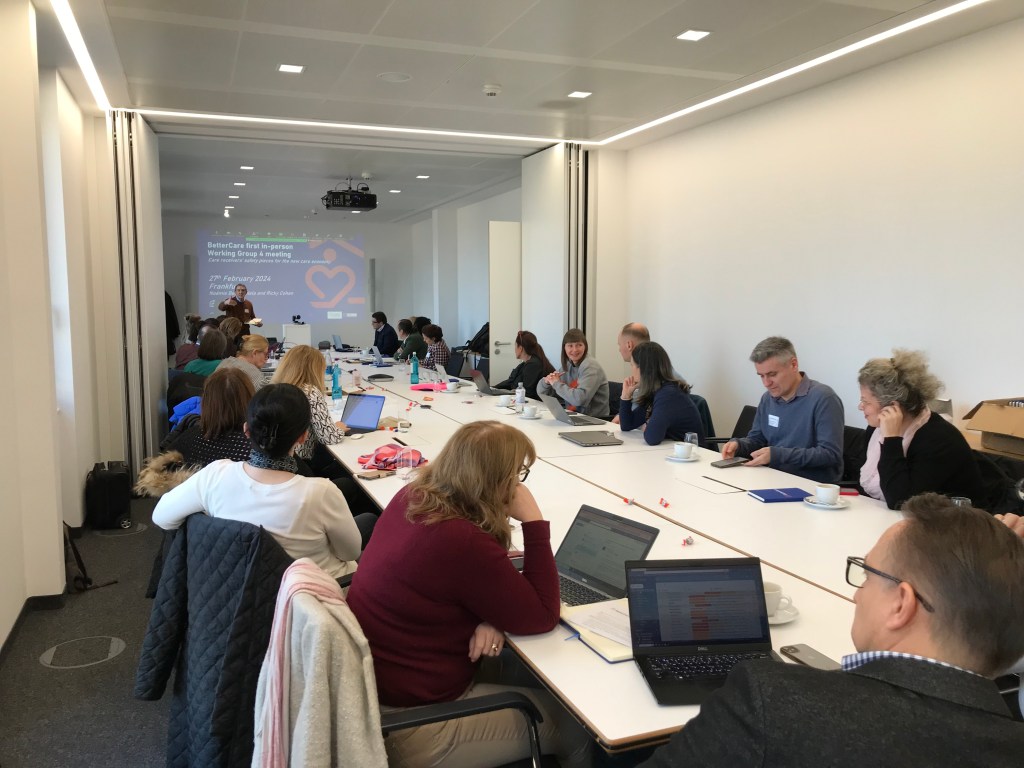
Our colleague Aurel Zelko attended the BetterCare Management Committee meeting that took place in Frankfurt am Main on 26th and 27th February, 2024. The event was an important meeting that provided a chance for healthcare professionals, researchers, and other experts to gather to discuss objectives and deliverables and determine the steps we can take together to make progress. The meeting’s objectives included shaping the working groups and assigning tasks to be carried out this year.
HBSC study bringed HBSC members together, online, on 20th December 2023. Joint meeting of Peer culture and leisure-time focus group and Electronic Media Communication writing group bringed experts from Czechia (Petr Badura, Lukas Blinka), Slovakia (Jaroslava Kopcakova), Italy (Claudia Marino, Natale Canale, Tommaso Galeotti), Netherlands (Regina van den Eijnden), Finland (Kwok Ng), Izrael (Meyran Boniel-Nissim), Luxembourg (Romain Brisson) and others together to talk about future of adolescent´s health, especially at the stage of refining the items for HBSC 2025/26 data collection.
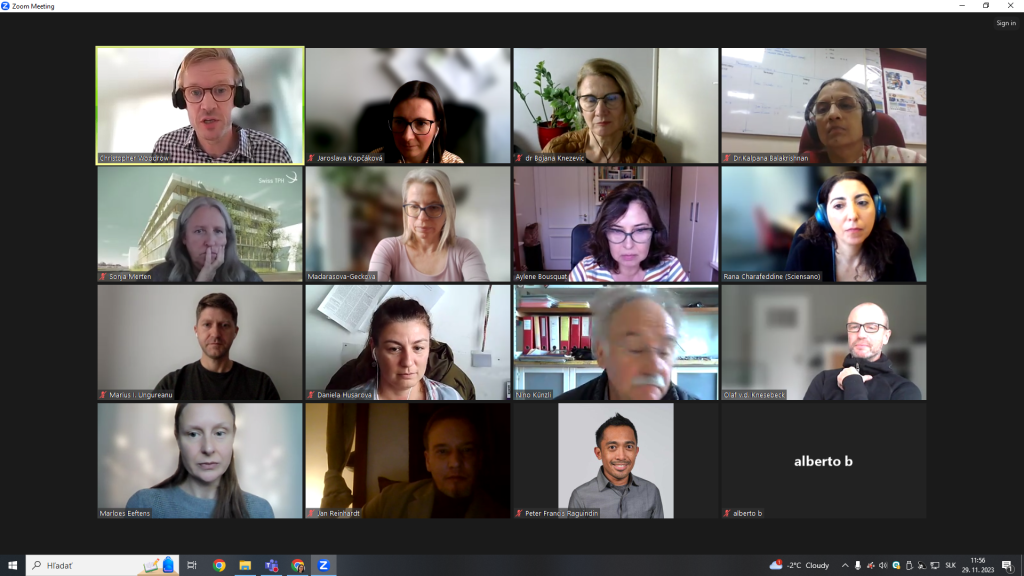
On November 29th 2023 prof. Madarasova Geckova, dr. Husarova and dr. Kopcakova attended an online meeting with the International Journal of Public Health (IJPH) Editors-in-Chief.
The Editors-in-Chief shared information about the journal and its current status, and there were also time for questions, comments and discussion.
HBSC Autumn network meeting bringed HBSC members together, online, on 13th and 14th November 2023. This meeting covered a variety of topics, including reflections and results from our latest survey, plans for publications and importantly, preparations for our 2025/26 HBSC protocol.
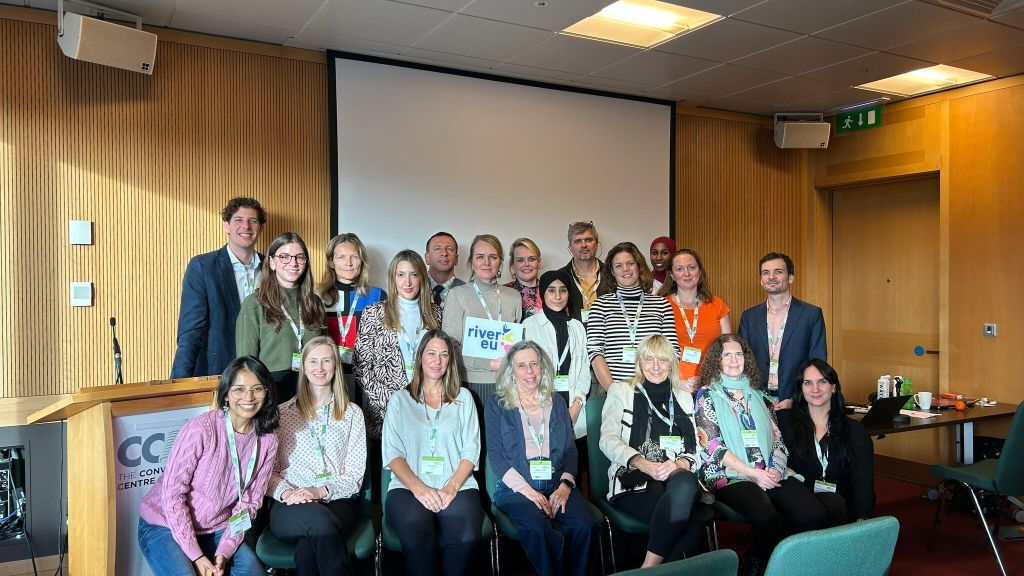
Daniela Filakovska and Emilia Gajdosova attended the 16th European Public Health Conference and RIVER-EU consortium meeting in Dublin.
Within the consortium meeting, we spent valuable time with our partners discussing the implementation of newly developed interventions to increase HPV/MMR vaccination rates in underserved communities.
For participants of the EPH conference, we offered insights into building trustful relationships with communities and stakeholders to conduct participatory action research aimed at intervention development, implementation and evaluation during our workshop “ Identification of interventions to tackle health system barriers to vaccination: Participatory approaches to involve underserved communities”.