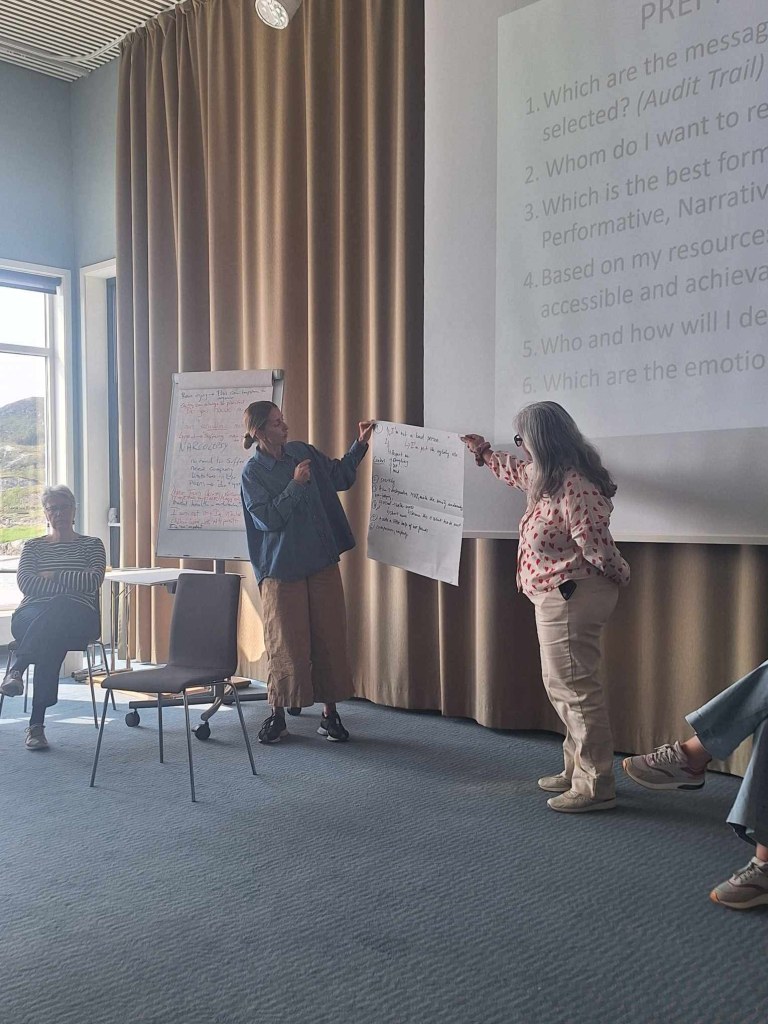
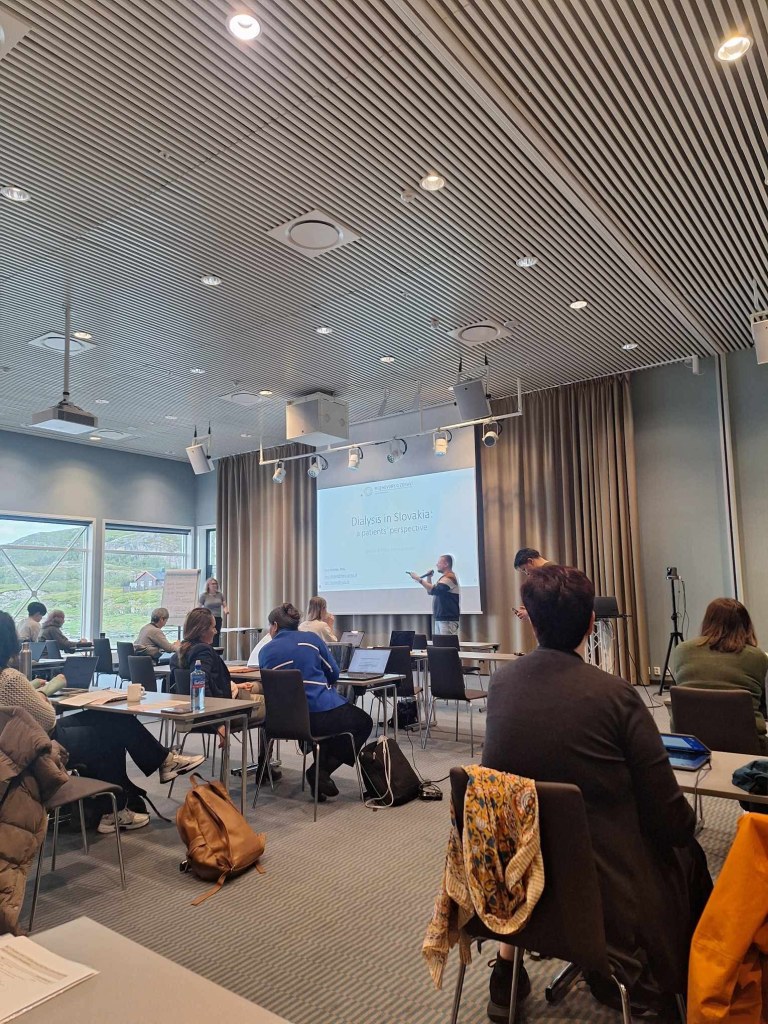
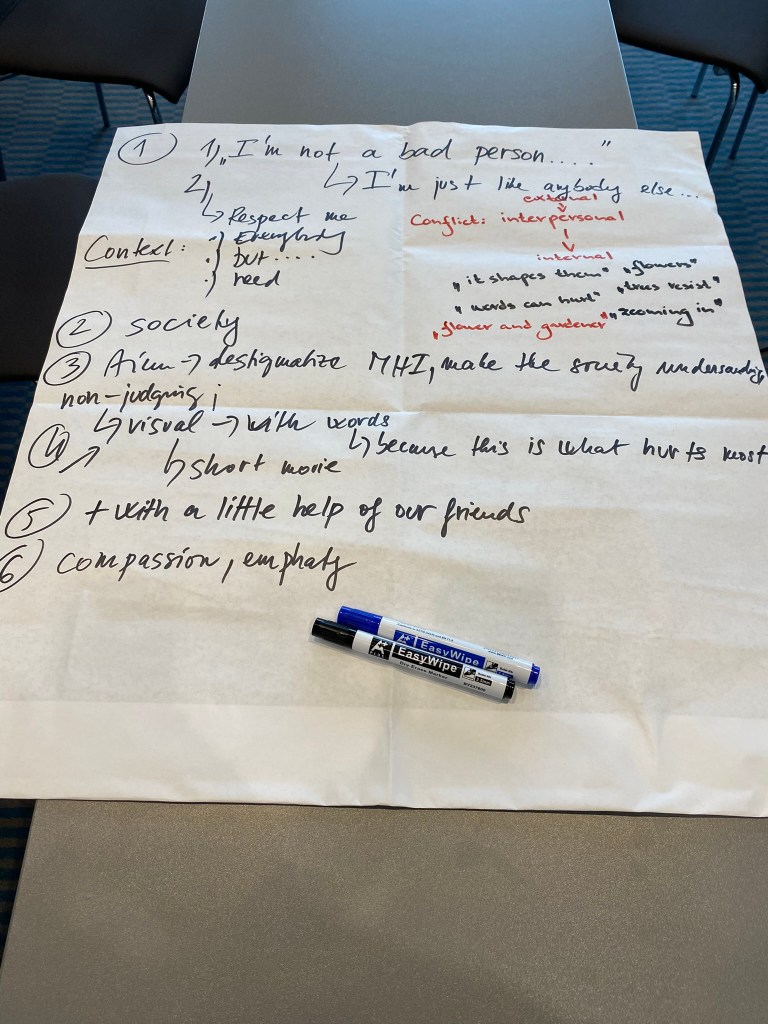
We participated in an international meeting for the “Second Victims” project, which continues this year under the name “Rescue.”

Healthcare professionals who have been directly or indirectly involved in an unexpected adverse event, an unintentional error, or patient harm often become so-called second victims. Such experiences can have a profound negative impact, leading to feelings of guilt, anxiety, insomnia, loss of confidence, or doubts about their own judgment. As it turns out, the best support comes from colleagues—peer supporters—who understand the pressures and challenges of the healthcare environment and have often experienced similar situations themselves or have been close to them.

This is where the “Rescue” project comes in. Its goal is to standardize peer supporter training while also establishing an accreditation system. This will enable hospitals to obtain a certificate confirming that they have implemented a high-quality support system for healthcare professionals in such situations.

We are proud to be part of this important initiative and to contribute to a better working environment for healthcare professionals!

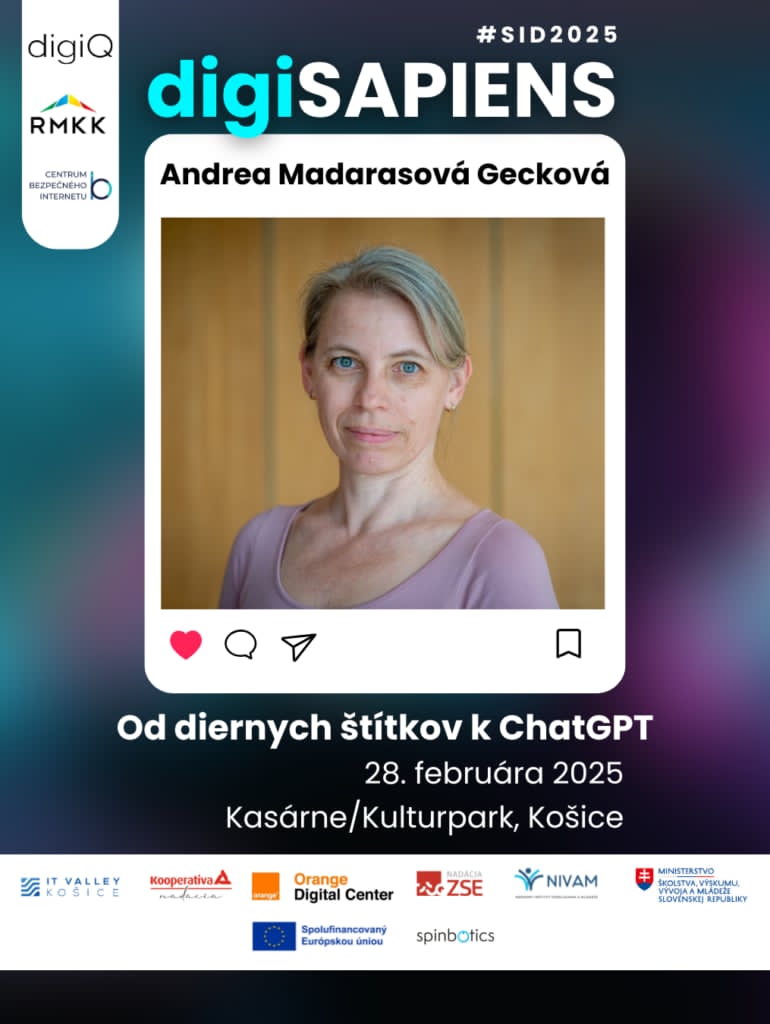
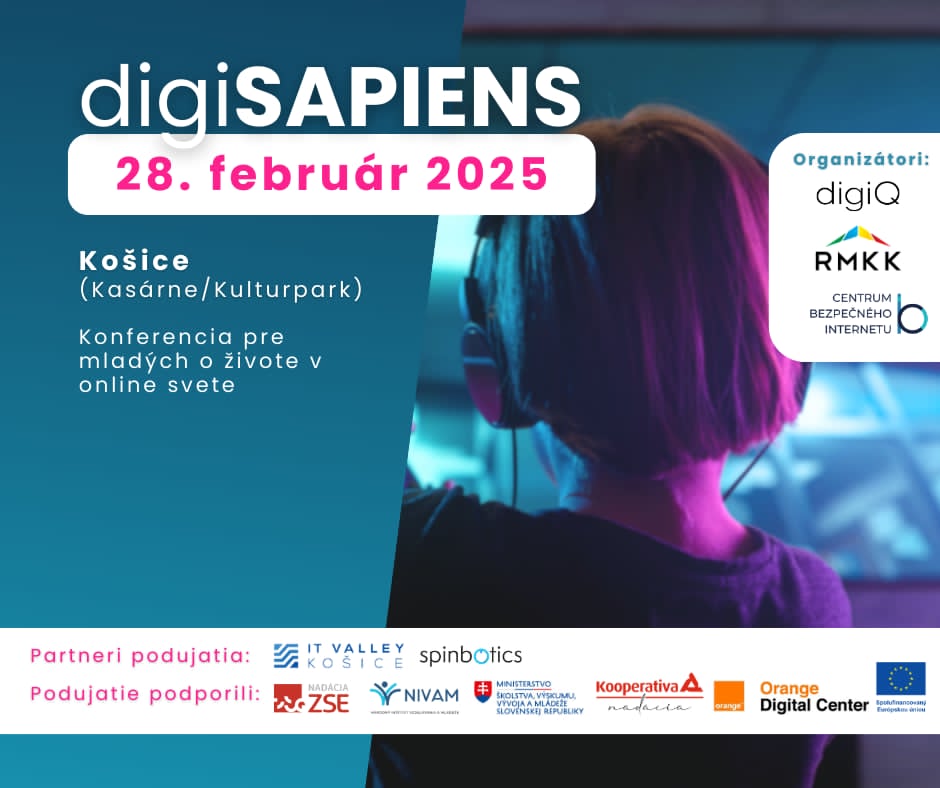
DigiSAPIENS conference with our participation

Using data from the national HBSC study, we have indicated the extent to which problematic Internet use occurs among schoolchildren and how we recognize it. We thought about what leads teenagers to problematic use of the Internet. Based on interviews with teenagers, we described how they perceive the benefits and risks of using digital technologies. In conclusion, we opened a discussion about what needs to be done to make digital technologies and the virtual world a safe tool and environment for teenagers.

Shedding light on narcolepsy: Our new research highlights patient experiences and challenges

In a significant step toward understanding the profound impact of narcolepsy, the first findings from DIPEx Slovakia’s research module on the disorder have been evaluated and put down in a form of research article. The study provides an in-depth exploration of the complex symptomatology of narcolepsy, including excessive daytime sleepiness, cataplexy, vivid dreams and nightmares, hallucinations, sleep paralysis, and automatic behavior.

What sets this research apart is its reliance on firsthand patient experiences, offering a deeply personal and nuanced perspective on life with this rare neurological sleep disorder. By amplifying the voices of those affected, the study captures not only the physical symptoms but also the emotional toll of living with narcolepsy—an often misunderstood and underdiagnosed condition.

For a closer look at how patients perceive and experience these symptoms and how is it to live with this condition, read the full interview here (https://uniba.sk/spravodajsky-portal/detail-aktuality/back_to_page/spravodajsky-portal/article/ked-clovek-neustale-spi-skusenosti-s-nadmernou-dennou-spavostou/)

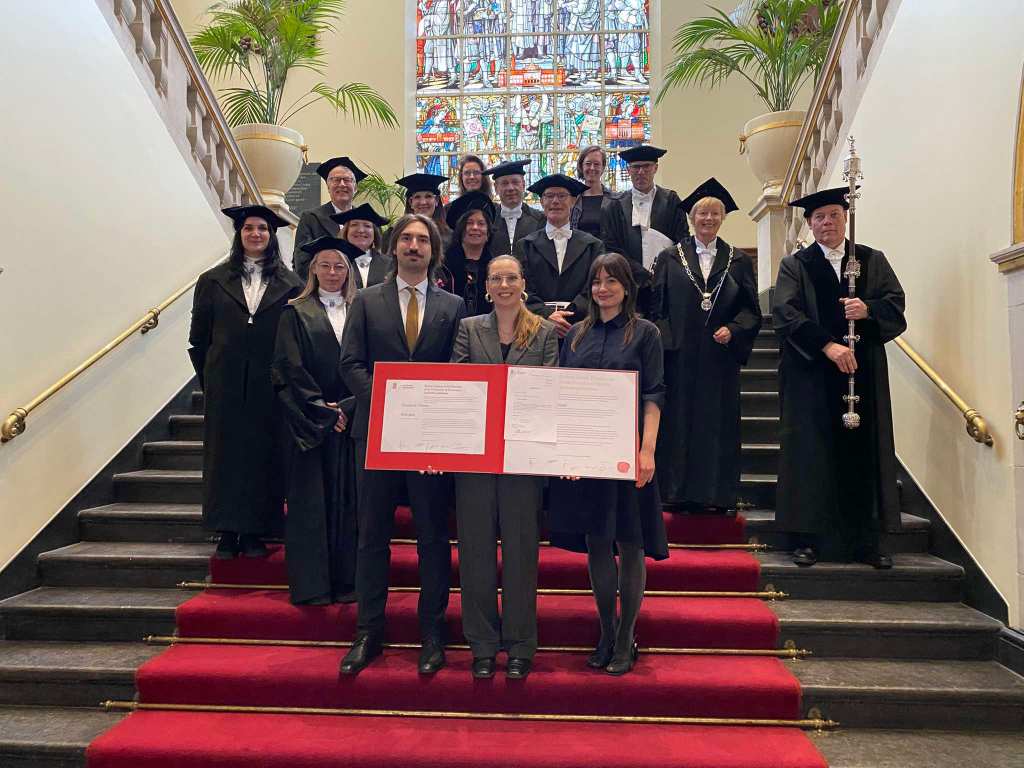
Dissertation by our colleague Shoshana Chovan successfully defended at the University of Groningen. Congratulations!!!

On the 27th of January 2025 our colleague, Shoshana Chovan, have been awarded a double PhD degree at the University of Groningen during a defence and PhD ceremony held between the University of Groningen and Pavol Jozef Safarik University in Kosice. The thesis entitled “Born poor: Early childhood development and health in marginalised Roma communities” was defended in the presence of the College of Deans and the PhD Examining Committee. More information about defence ceremony might be found here.

Our team provided second DIPEx training for colleagues from Institute of Applied Psychology

We are excited to announce the successful completion of our second DIPEx training for our colleagues from Institute of Applied Psychology, Faculty of Social and Economic Sciences, Comenius University Bratislava.

With this training, they are now fully prepared to conduct interviews with women who are willing to share their personal experiences with childbirth. We look forward to gathering valuable insights that will contribute to a deeper understanding of childbirth experiences.

Results of the Care4Youth study published in Frontiers in Psychology!!!

The Care4Youth study provides further insights.

Based on the results of our study, we can say that care providers have identified several barriers to providing care for adolescents with mental health problems, which relate to six themes – 1. legislative framework and legislative changes; 2. financing of the care system; 3. coordination of care; 4. workforce development, education, methodological guidance and supervision; 5. personnel and institutional capacities; and 6. administrative burden.

Addressing these barriers within the care system from a “frontline” perspective provides guidance for effectively improving psychosocial care for adolescents with mental health problems. According to care providers, the organization and financing of the care system requires adaptation; the burden on care providers should be reduced; and care providers require high-quality practical education, training and methodological guidance.

The article can be found and read here.

Heart-eXg project newsletter introducing our colleague Aurel Zelko

Latest issue of Heart-eXg project newsletter is introducing our colleague Andrej Zelko

“Dr. Aurel Zelko is a researcher at the Faculty of Medicine, Pavol Jozef Šafárik University in Košice, and a new associate member of the Heart-eXg study team. This year, he defended his PhD thesis at the Faculty of Medical Sciences, University of Groningen, focusing on the applicability and beneficial effects of intradialytic exercise on the effectiveness of treatment in hemodialysis patients.”

For a full Newsletter, click here.