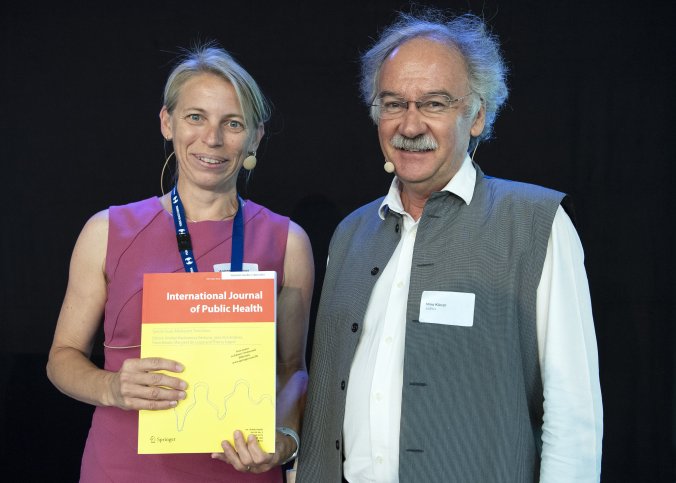
For the very first time HBSC team was awarded – and this award is for medial event – HBSC press conference. THANK YOU all who contributed to it!


For the very first time HBSC team was awarded – and this award is for medial event – HBSC press conference. THANK YOU all who contributed to it!
From 3 till 7 September 2019, our colleagues Andrea Madarasova Geckova, Zuzana Dankulincova, Daniela Husarova, Miriama Lackova Rebicova, Jaroslava Mackova, Ivana Skoumalova, Laura Urbanova and Peter Kolarcik met with other prominent researchers in the field of health psychology on the 33rd annual conference of European Health Psychology Society in Dubrovnik, Croatia. They were invited to share their knowledge via one oral presentation and six poster presentations on latest findings from Care4Youth, HBSC and Health literacy studies.


One of our colleagues, dr. Jaroslava Kopcakova presented her poster “Association between cardiorespiratory fitness and selected health-related behaviour among adolescents” on last HEPA Europe conference held in Odense, Denmark (28.-30.8.2019).
Moreover, she participated in the discussion with other experts working on the topics of Nutrition, Physical Activity and Obesity as well as on Transport and Health.


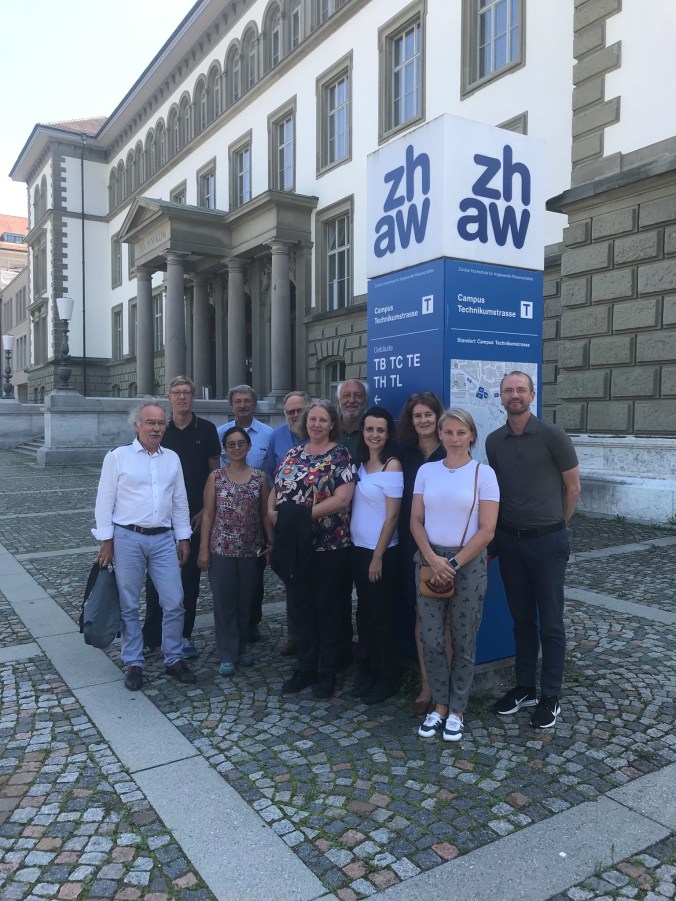
One of the keynote lectures of Swiss Public Health Conference “Child and Adolescent Public Health” was presented by our colleague prof. Andrea Madarasova Geckova and devoted to Generation Z and research challenges we are facing when trying to learn more about this digital generation.
Conference took place in Winterhuur in Aug 2019 and expertise of our team was used to deliver that lecture.
Want to learn more about this event? Follow here and for the full presentation here.
Our colleagues Daniela Filakovska and Andrej Belak participated at the 2019 Annual Meeting of the Gypsy Lore Society and Conference on Gypsy / Romani Studies which was held at the University of Iceland in Reykjavik, August 15 to 17, 2019.
They presented two inter-connected presentations on Antigypsyism as a fundamental cause of the poor health of segregated Roma: Pathways operating through segregated Roma themselves & Pathways operating through health-system services. They used the opportunity to discuss their overreaching findings from series of studies with experts from all over the world.
Closing the gap in Roma healthcare: reflections on evidence, policy, and activism
Virtual Issue Edited by: Andrea Madarasova Geckova (Editor-in-Chief) and Anke Berger (Managing Editor)
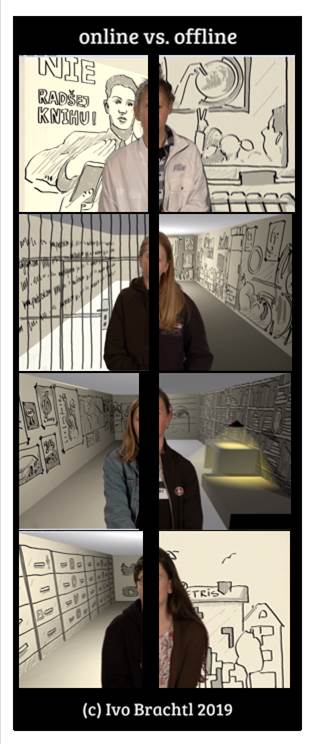
Movie documentary ONLINEvsOFFLINE available now!
How do our school children see these worlds?
ONLINE vs OFFLINE
School-aged children perspective on online vs. offline world
Ivo Brachtl 2019
Background graphic: René Říha
Full document with English subtitles: https://youtu.be/kiaQU0wp-E0
Trailer with English subtitles: https://youtu.be/nG3YYe1vMHs
HBSC Slovakia’s 2017/18 survey results published in new report
Slovak national HBSC team travelled nearly 10,000 km, visited more than 100 schools from all over Slovakia and approached nearly 10,000 school-aged children, with almost 1000 of them having their body composition and fitness measured as well. We needed more than 400 pages to describe more than 250 indicators divided in 15 themes. Presented are not only prevalence, gender and age differences, but also trends covering period 2010 – 2014 -2018.
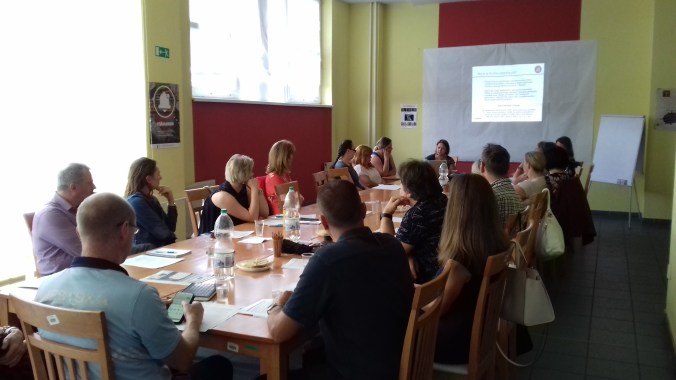
The findings were summarized in the National Report (www.hbscslovakia.com), which was presented to the professional and lay public audience in cooperation with the Ministry of Health, Public Health Authority, and Ministry of Education and under the auspices of the World Health Organization in June 2019. Nearly 100 stakeholders from 25 institutions, and 7 television and print media participated on this event and resulted in successful dissemination.
What we found out?

HEALTH TRIAD
– only half (50-53%) of 15-years old children slept at least 8 hours in school-days, and 7% of them slept less than 6 hours.
– having breakfast every school-day was reported by half of 11-years old (48-54%), but only two fifths of 15-years old (37-43%); moreover, since 2010 the prevalence of having regular breakfast is falling
– consumption of sweet and energy drinks is falling since 2014, but still one third of 15-years old boys (31%) consume energy drinks more than once a week; sweet and energy drinks are used to battle tiredness and hunger
– one third (26-28%) of 11-years old children do regularly moderate to vigorous physical activity (MVPA) at least one hour a day, but only 12% of 15-years old girls reported sufficient amount of MVPA
HEALTH CONSEQUENCES
– more than one third of 15-years old children feel nervous (30-43%), irritated (34-42%) or have difficulties getting to sleep (17-31%) more than once a week
– about 10% of 11-years old took medicine for nervousness or difficulties getting to sleep (8-11%)
– one third of 11-years old (31%) are obese (body composition fat over 25% in boys and over 30% in girls)
– functional fitness (Ruffier test) of nearly two thirds of children (51-69%) was insufficient
– half of children (43-52%) reported medically attended injury during last year and prevalence of injuries increased in comparison to 2010 and 2014
CHILDREN ONLINE
– new technologies and online space seems to be a tool to meet basic psychosocial needs of children e.g. social interactions, leisure time activities, searching information, learning and self-development
– one fifth of children (18-20%) find it easier to disclose their inner feelings online than face to face, and about 40% (37-39%) 13- and 15-years old children use mobile phone to feel better when feeling low
– excessive internet use (do not sleep or eat because of internet, feel unpleasant when could not be on internet, surf on internet even not interested in, neglect family, friends, school or hobby because of time spent on internet, fail to restrict time spent on internet) was more prevalent in 15-years old boys (13-21% vs 5-18%), while fear from missing out was more prevalent in 15-years old girls (19% vs 12%)
– only few children reported cyberbullying as actor or victim (1-3%)
CHILDREN OFFLINE
– two thirds of children (29-73%) perceive high social capital in their neighbourhood (people say hallo and often stop to talk to each other in the street, it is safe for younger children to play outside during the day, you can trust people around here, there are good places to spend free time, could ask for help or a favour from neighbours, will not take advantage of them if they got the chance)
– there is a high incidence of tobacco smoking and consumption of alcoholic beverages despite the downward trend: one fifth of 15-years old children smoke tobacco at least once in past month; more than one third of 15-years old children drink alcohol at least once in past month; prevalence of tobacco smoking and alcohol consumption is declining since 2010
– accessibility of alcohol for children decreased since 2010, but still 35-40% of 15-years old were able to buy alcohol in shops despite it is illegal in 2018
– 11% of girls and 17% of boys in age of 15 years reported having sexual intercourse and there is no significant change in prevalence since 2014; only about third of children said “it” happened in right time (28-36%), but one third of girls (33%) and 16% of boys wish it happened latter
– the incidence of violent behaviour is declining and perceived discrimination is low: the incidence of bullying actors in the boys’ group and the presence of boys who admitted to participate in the fight have declined significantly since 2014; there was also a low incidence of children who often or very often felt discriminated against by teachers, other adults or peers because of gender, figure or appearance, other culture, language or skin colour or because of a poor family situation. The only exception was boys who felt often or very often discriminated against by teachers because of gender (7-16%) and girls aged 13 and 15 who often or very often discriminated against pupils at school because of their character or appearance (8- 10%).
CHILDREN AT HOME
– considerable proportion of children reported adverse childhood experience: up to 20% of children reported divorce or separation from their parents, 14% of them reported recurrent serious conflicts or physical rupture between parents, 11% of children have experienced separation from their parents due to working abroad, and 36% of them have experienced moving or changing their home and community
– a large number of children are already reporting at the age of 11 that parents do not apply any rules on breakfast, dinner or internet use at home.
– around half of 11-years old children said they used to eat with their parents every day, and almost a quarter of 11-years old children said they had little or no talk to their parents
SCHOOL (NOT) CALLING
– vast majority of 15-years old (65-73%) care about their future education, but only one fifth of them like school a lot (13-16%)
– up to one fifth of 11-, 13- and 15-years old children sometimes report a problem with reading (20-26%) and more than half with mathematics (42-67%)
– almost every child at the age of 11 and more than half of 15-years old children are regularly assisted with school homework by their parents, but only about 10% of children find this kind of support in the school environment, which is crucial for children from disadvantaged backgrounds
CRASH ZONE
-10 to 20% of children suffer from emotional or behavioural problems which require professional care
– emotional and behavioural problems should be perceived in the wider context of the environment in which they live and spend their time, as the situation in the family, at school or in the neighbourhood of children can make a significant contribution to his or her problems, or help to remedy them

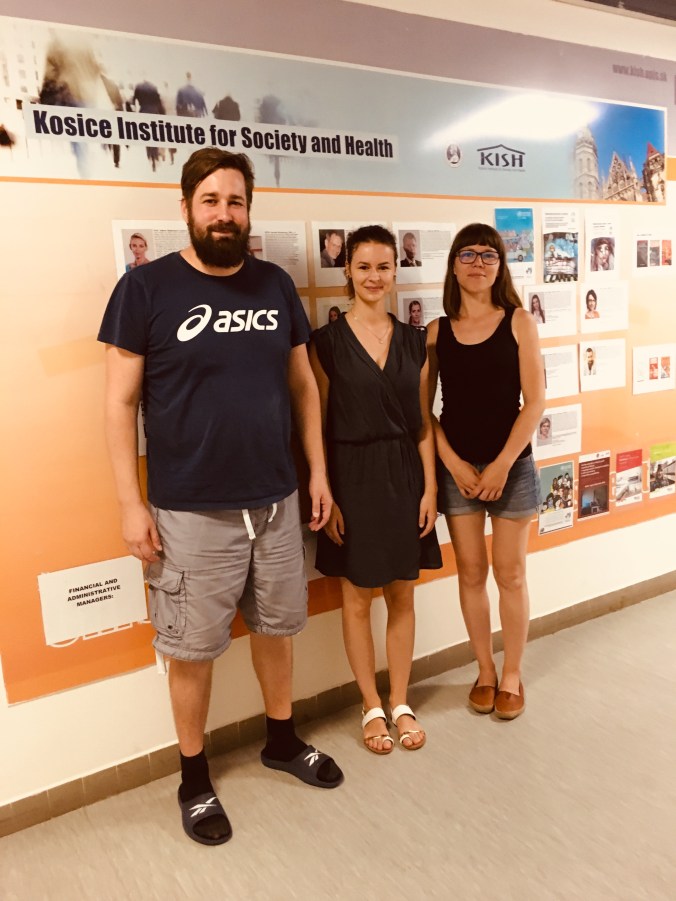
We are pleased that our team is enriched by Denisa Kravcová, who will participate in the research project “Secondary Prevention of Dialysis Patients: Aspects of Physical Activity, Quality of Life and Application of Movement Program in Dialysis Workplace Environment”, which is financially supported by the internal scientific grant system of the Pavol Jozef Šafárik University in Košice (project number: VVGS-2019-1069).
The results of the Care4Youth study were presented as part of a multidisciplinary working meeting under the National Project Supporting the Protection of Children from Violence.
In connection with the implementation of the National Project Promoting the Protection of Children against Violence and Meeting the National Strategy for the Protection of Children from Violence, our colleagues Zuzana Dankulincová and Daniela Husárová were invited to a multidisciplinary working meeting of subjects on violence against children in order to present the results of the Care4Youth study on mapping the system care for children with emotional problems and behavioral problems from the perspective of all involved.
 COHERENT