We are proud that our colleague, professor Andrea Madarasová Gecková, was an invited speaker at the Pohoda Festival 2025. In her talk titled “Zraniteľnosť mladých v online svete” (“The Vulnerability of Young People in the Online World”), she addressed the important and timely issue of how the digital environment impacts youth mental health and wellbeing.
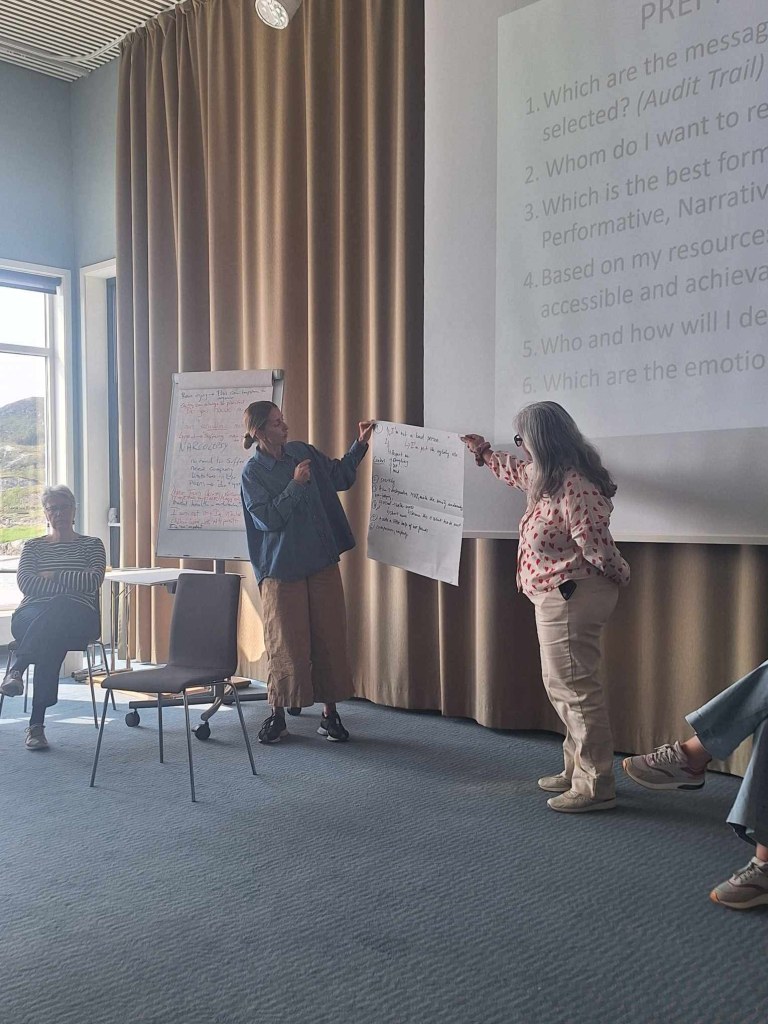
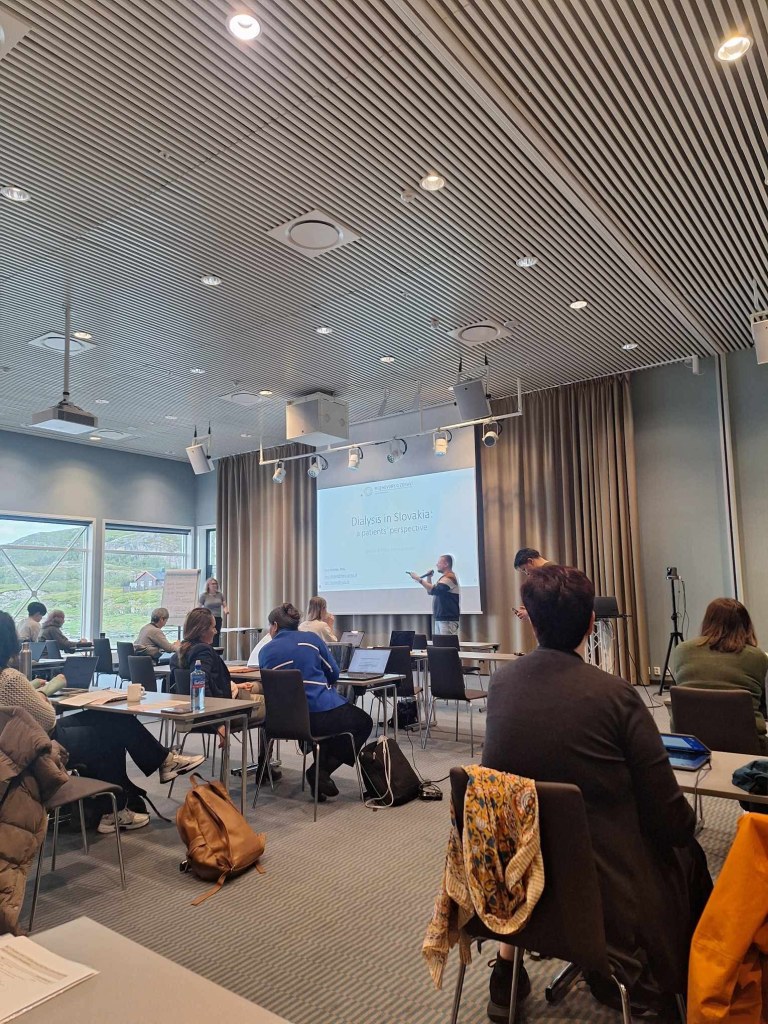
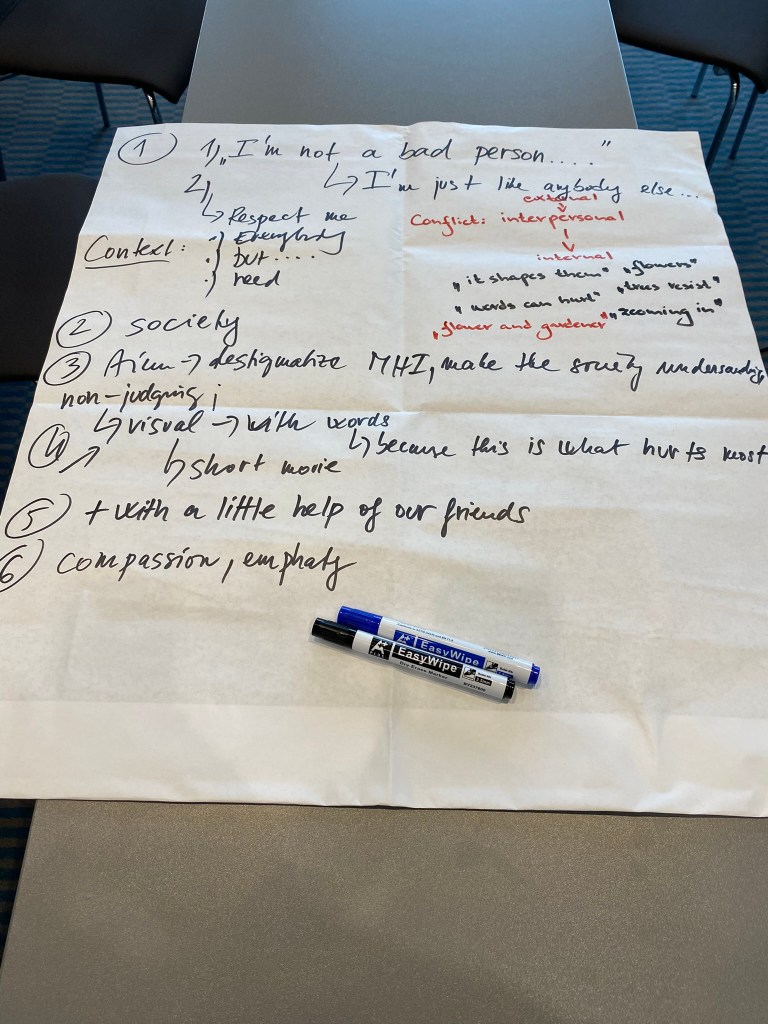
The meeting of the network DIPEx International, 2 – 6 June in Tromso and Sommaroy, Norway, is over and we are glad that we could be a part of it. We started with two keynote lectures by Lucia Bosakova and Daniela Filakovska within conference “Tell me your story… Qualitative approaches to health and indigenous research” and continued during DIPEx international meeting where Jan Hlodak shared our first experience with interviews with dialysed patients.
Thank you for the great presentation, inspiring conversations and wonderful feedback. We look forward to see you all again next year!
Healthcare professionals who have been directly or indirectly involved in an unexpected adverse event, an unintentional error, or patient harm often become so-called second victims. Such experiences can have a profound negative impact, leading to feelings of guilt, anxiety, insomnia, loss of confidence, or doubts about their own judgment. As it turns out, the best support comes from colleagues—peer supporters—who understand the pressures and challenges of the healthcare environment and have often experienced similar situations themselves or have been close to them.
This is where the “Rescue” project comes in. Its goal is to standardize peer supporter training while also establishing an accreditation system. This will enable hospitals to obtain a certificate confirming that they have implemented a high-quality support system for healthcare professionals in such situations.
We are proud to be part of this important initiative and to contribute to a better working environment for healthcare professionals!
Using data from the national HBSC study, we have indicated the extent to which problematic Internet use occurs among schoolchildren and how we recognize it. We thought about what leads teenagers to problematic use of the Internet. Based on interviews with teenagers, we described how they perceive the benefits and risks of using digital technologies. In conclusion, we opened a discussion about what needs to be done to make digital technologies and the virtual world a safe tool and environment for teenagers.
In a significant step toward understanding the profound impact of narcolepsy, the first findings from DIPEx Slovakia’s research module on the disorder have been evaluated and put down in a form of research article. The study provides an in-depth exploration of the complex symptomatology of narcolepsy, including excessive daytime sleepiness, cataplexy, vivid dreams and nightmares, hallucinations, sleep paralysis, and automatic behavior.
What sets this research apart is its reliance on firsthand patient experiences, offering a deeply personal and nuanced perspective on life with this rare neurological sleep disorder. By amplifying the voices of those affected, the study captures not only the physical symptoms but also the emotional toll of living with narcolepsy—an often misunderstood and underdiagnosed condition.