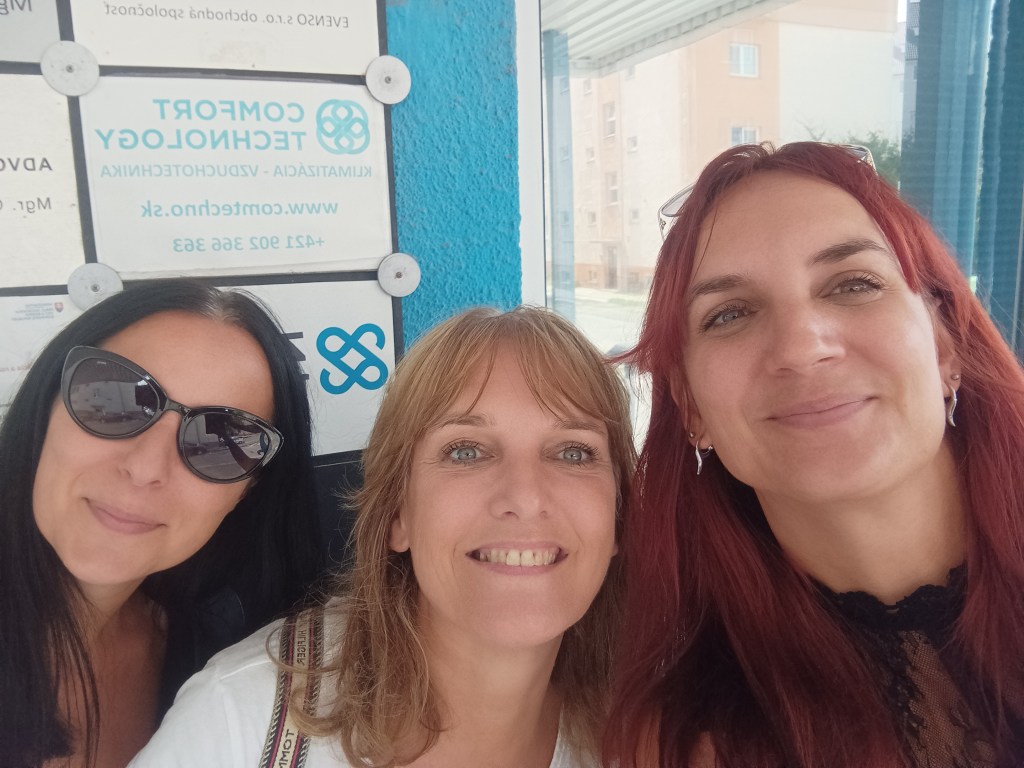
From 23 till 27 August 2022, our colleagues Lucia Bosáková, Daniela Fiľakovská and Stanislava Kováčová met with other prominent researchers in the field of health psychology on the 36th annual conference of European Health Psychology Society in Bratislava, Slovakia.
They were invited to share their knowledge via oral presentations on latest findings from RomaReach and Care4Youth studies.
Our colleague Daniela Fiľakovská had a meeting with the head of Healthy regions Tatiana Hrustič and her colleagues in Bratislava. Together they discussed future cooperation on the RIVER-EU project which is implemented by our team at the Faculty of Medicine, PJ Šafárik university in Košice.
This project concerns vaccination against HPV in the marginalized Roma communities and it supplements PRESCRIP-TEC project already being covered by Healthy regions, concerning HPV self-testing for women from the same target group.
Our colleague prof. Andrea Madarasová Gecková was awarded by the silver medal of the Comenius University in Bratislava during the Opening ceremony on the 36th conference of European Health Psychology Society held in Bratislava as a recognition of her extraordinary contribution to the development of Health psychology in Slovakia.
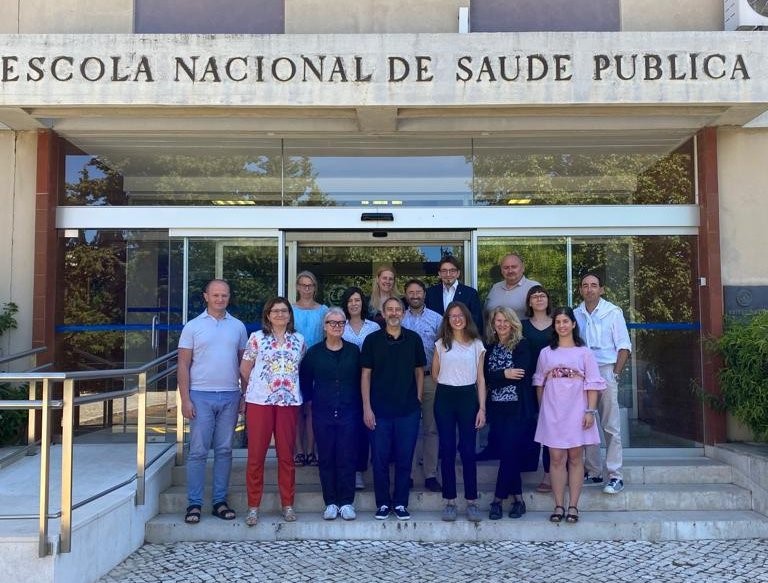
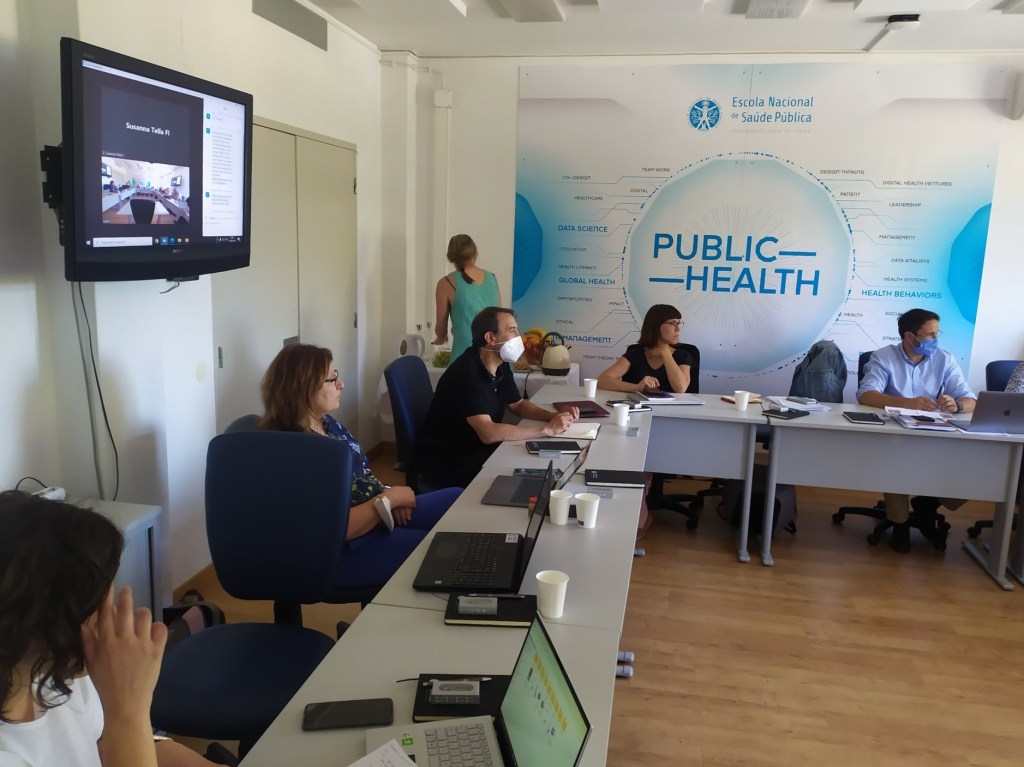
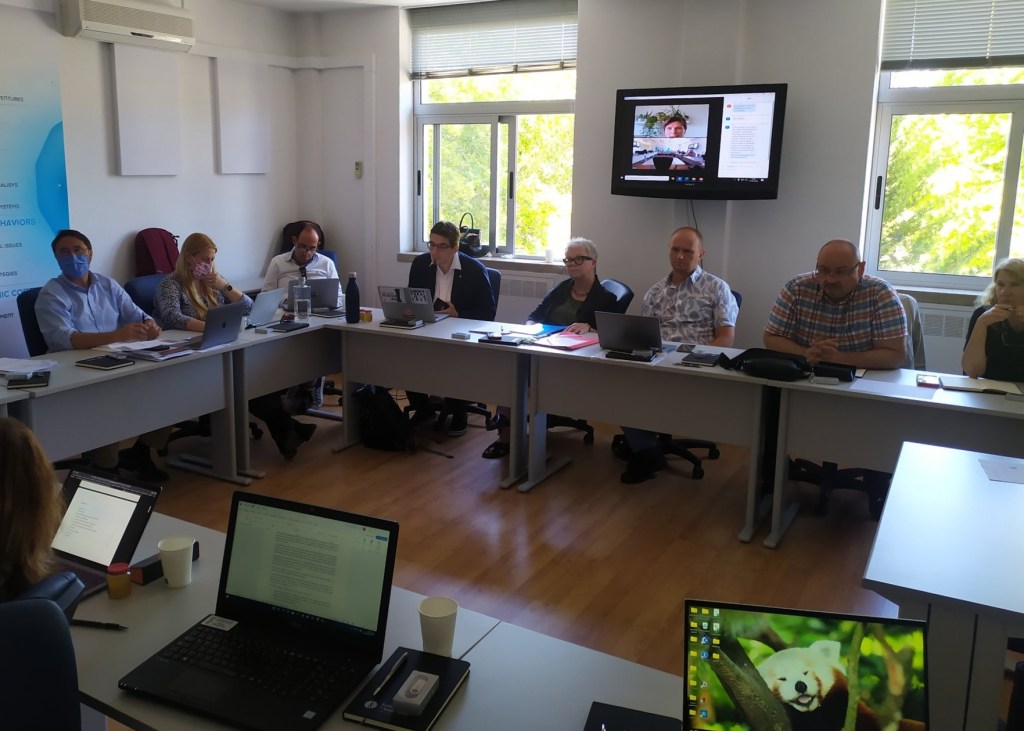
Our colleagues Ivana Skoumalova and Andrea Madarasova Geckova were among 17 researchers from 13 countries participating on this event (27 and 28th June, 2022). Two days of intensive work on Case Studies, Training Manual and Training School preparation aiming to improve training of medical students, health care workers, health care managers in supporting second victims. Our mutual aim is to improve patient safety through building and promoting resilience of health care providers and workers.
This work stay is related to our participation in the DIPEx International network and the extension of our research activities to the research of the patient experiences.
The aim of this stay is to deepen the cooperation with DIPEx Spain, as well as to prepare our first DIPEx module concerning children and adolescents with emotional and behavioral problems in the care system, with the kind help of colleagues from DIPEx Spain.
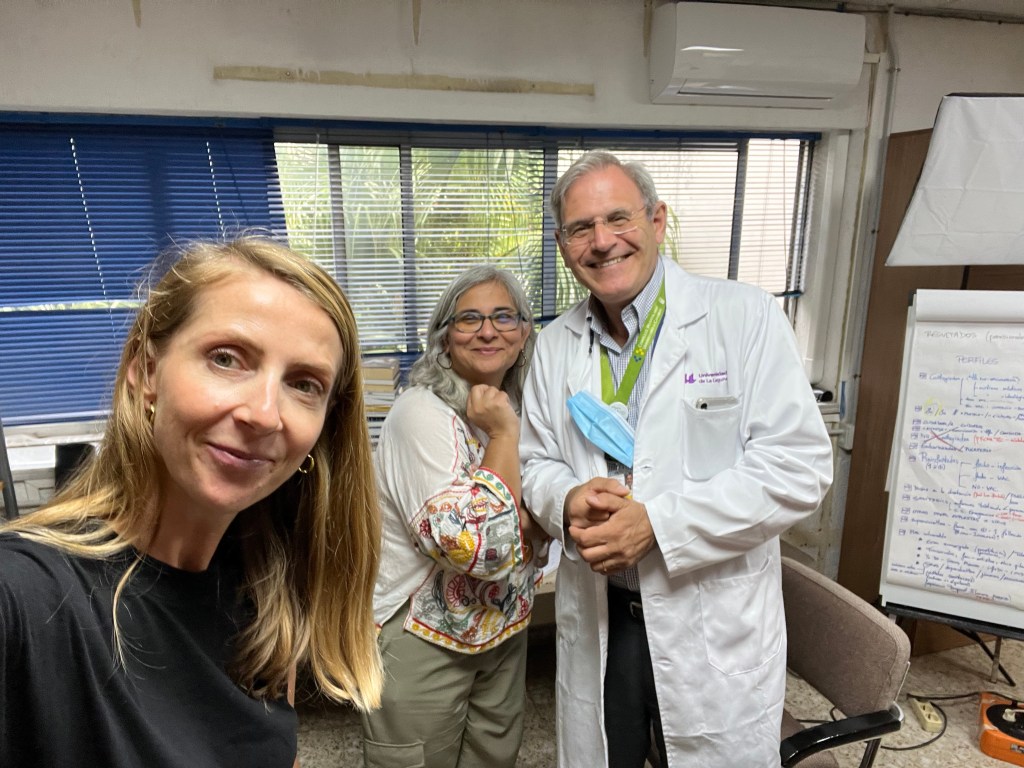
Our colleague Ivana Skoumalova visited the University of Miguel Hernández in Elche and a team of professor José Mirá who is working on the topic of patient safety. This short-term scientific mission is conducted within the COST action CA 19133: The European Researchers’ Network Working on Second Victims. The aim of the visit is to deepen the collaboration with the Spanish team and to work on the Delphi study focused on psychological safety in healthcare.
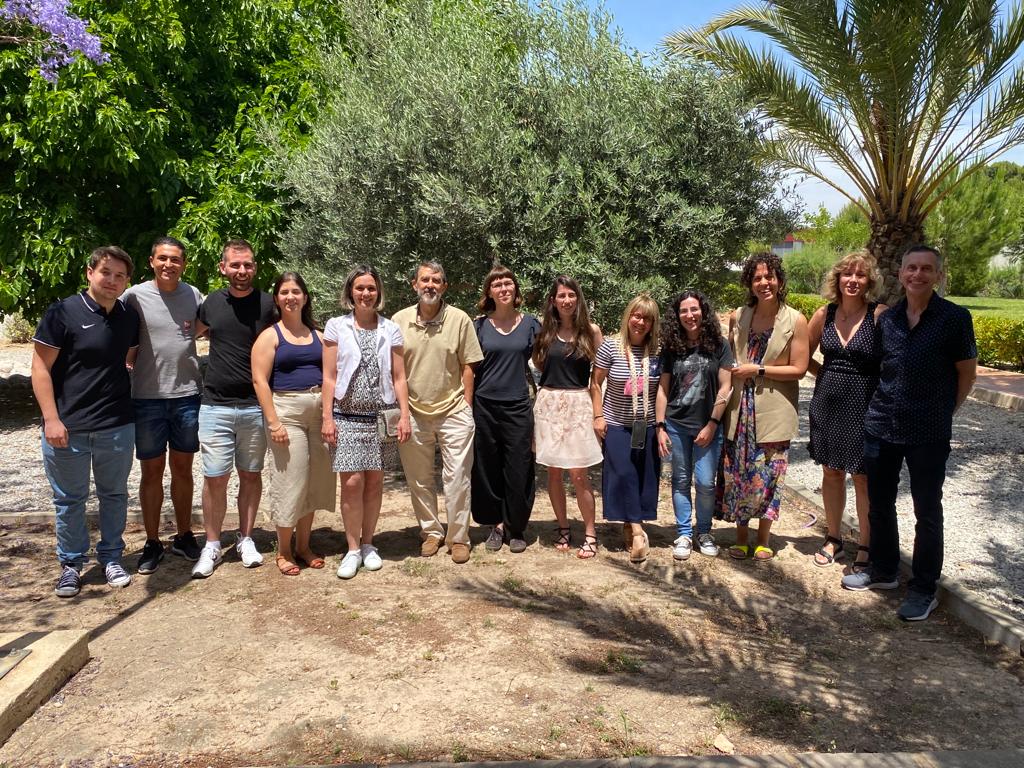
Our colleagues Lucia Bosáková, Zuzana Dankulincová and Ivana Skoumalová participated in the annual DIPEx international meeting. From 23 to 26 May, members of the network from around the world discussed their workflow over the past year, the diverse experiences and plans for international cooperation in the years to come. What a wonderful time with inspiring people.
DIPEx International is a unique global collaboration of scientists, physicians and patients who are committed to enriching our understanding of people’s experiences of health, healthcare and disease and bringing this new knowledge to the world.
We are currently participating in an ongoing data collection. The teams located in Bratislava, Martin and Košice set out on a daily basis, ready to visit more than 150 schools, 10000 pupils and travel more than 10000 km across the whole country. We are deeply grateful for each school that is willing to participate, for every respondent and every filled-out questionnaire.
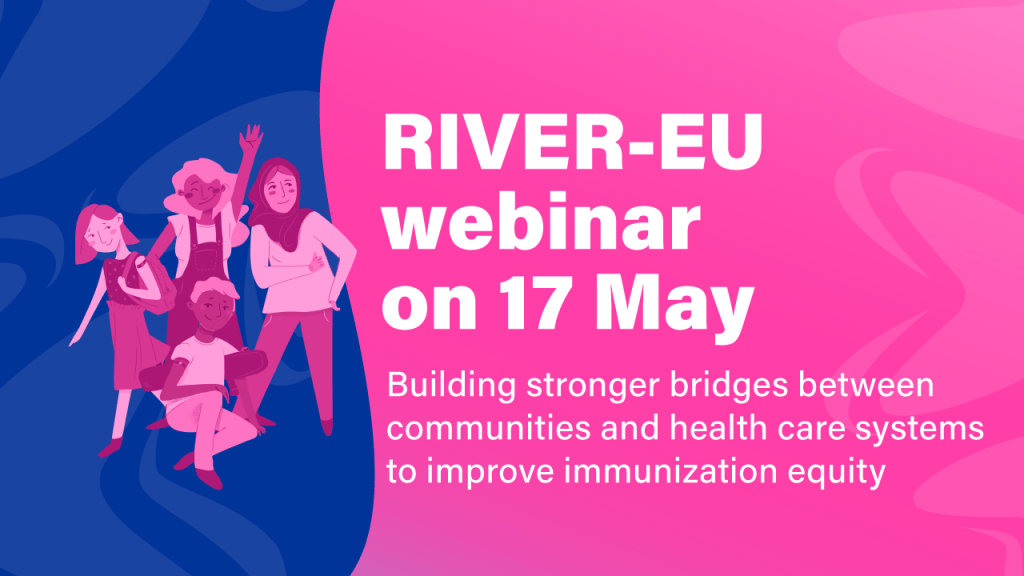
The RIVER-EU project’s (Reducing Inequalities in Vaccine uptake in the European Region – Engaging Underserved communities) European Public Health Week webinar will explore how to build stronger bridges between communities and health care systems to improve immunization equity. Involving communities with low vaccination rates is particularly important to increase trust, accessibility and acceptability of vaccination services and improve overall coverage rates. The RIVER-EU project (2021-2026) works with eight underserved communities across Europe to understand the facilitators and barriers they experience when accessing vaccination services, particularly for measles, mumps, rubella (MMR) and human papillomavirus (HPV) vaccines.
Speakers in this session will share their experiences establishing relationships with the community and discuss promising approaches to address vaccine equity and accessibility which may be transferable from one setting to another.
This event is for anyone involved in community care, especially for those interested in the health and wellbeing of children and adolescents, and underserved ethnic and religious minority communities.
Date: 17 May 2022 Time: 15.00 – 16.00 CET Event type: online
The Arab Israeli community in Israel, Dr. Jumanah Essa-hadad, Bar Ilan University (BIU) Israel
The Ukrainian migrant community in Poland, Prof. Maria Ganczak, Vice-President, Infectious Disease Control Section, EUPHA; Dept of Infectious Diseases, University of Zielona Gora, Poland
The migrant and refugee community in Greece, Mrs. Pania Karnaki, Prolepsis Institute
Turkish and Moroccan adolescent females in the Netherlands, Dr. Janine de Zeeuw, University Medical Center Groningen (UMCG), the Netherlands
The marginalized Roma community in Slovakia, Dr. Daniela Fiľakovská Bobáková, Pavol Jozef Safarik University, Slovakia
15.40 Opening floor for Q&A 15.55 Conclusion 16.00 END
Our new project “Adolescents with emotional and behavioral problems and their families in the system of care”, received financial support from the Slovak Research and Development Agency!
We are looking forward to the opportunity to continue and, after interviews with providers, to conduct interviews with adolescents and their parents using the DIPEx methodology as a new member of DIPEx international.
DIPEx International is a unique global collaboration of scientists, healthcare professionals and patients who are committed to collect people’s experiences of health, healthcare and disease and bringing this new knowledge to the world through qualitative research.





 COHERENT